
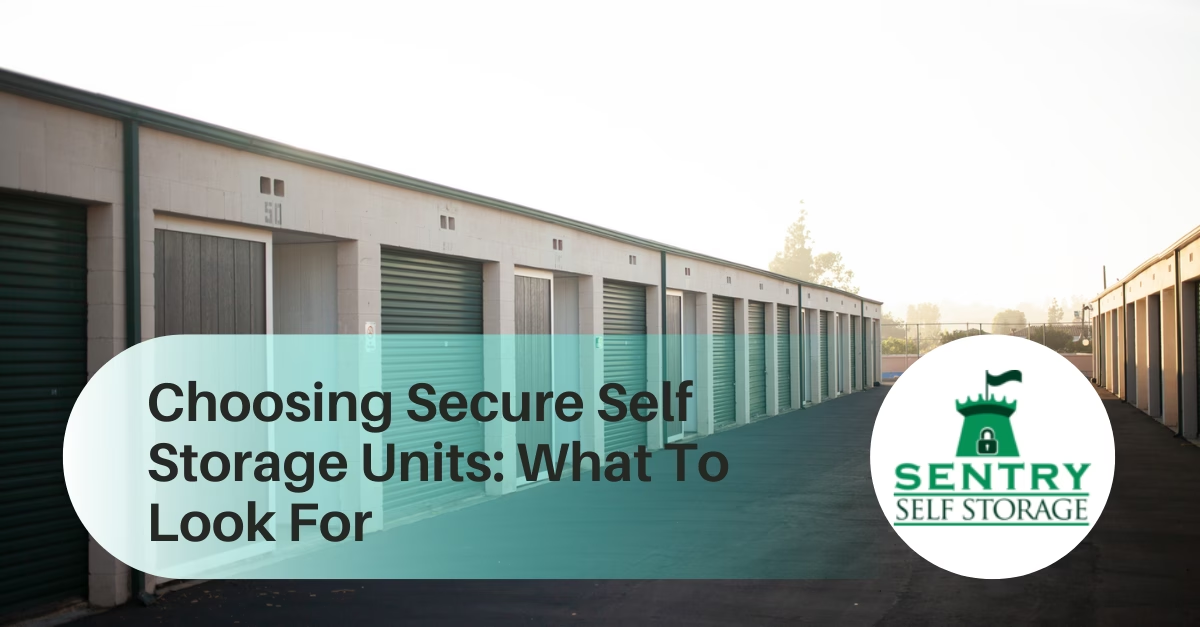
Security Features That Protect Your Belongings in Self Storage Units
When you rent a self storage unit, you want to know your personal items stay safe and secure. Understanding what protection measures exist helps you make the best choice for your needs. Let’s explore the various security features that guard your belongings and keep your stored items protected from theft, damage, and unauthorized access.
Understanding the Role of Security Cameras in Storage Facilities
Modern self storage facilities install security cameras throughout their properties. These cameras monitor entry points, hallways, and outdoor areas around the clock. When you choose a storage unit, ask about the camera system’s coverage. Find out where cameras are positioned and whether they monitor the specific hallway where your unit is located.
Quality surveillance systems record continuously, creating a video record of all activity. This recording capability serves as both a deterrent and evidence if any issues occur. Make sure the facility you select keeps these recordings for a reasonable period, typically at least 30 days. When cameras are visible and working properly, potential thieves are much less likely to target that location.
Access Control Systems That Keep Unauthorized People Out
The best self storage facilities use advanced access control systems. These electronic gates and keypads prevent random people from walking onto the property. When you rent a unit, you receive a unique access code or key card that opens the facility gate. This means only paying customers and staff can enter the grounds.
Some facilities offer individual unit locks with their own electronic keypads. These add an extra layer of protection to your specific storage space. You control who enters your unit by managing your access code. Rotating access codes regularly keeps your space even more secure. If you’re concerned about security, look for facilities that let you change your code as often as you want.
Lighting Systems That Eliminate Dark Hiding Spots
Adequate lighting throughout a storage facility serves multiple purposes. Bright lights around the perimeter, in hallways, and near building entrances discourage criminal activity. Thieves prefer darkness because it helps them hide their actions. Well-lit facilities make it difficult for anyone to sneak around unnoticed.
Motion-activated lighting adds another layer of security. These lights turn on automatically when someone moves in an area, alerting staff to activity during nighttime hours. LED lighting systems provide bright, reliable illumination while being energy efficient. Ask your storage facility about their lighting maintenance schedule. Over time, bulbs dim, and burned-out lights create vulnerable dark areas.
On-Site Staff and Professional Security Personnel
The presence of trained staff members makes a significant difference in your unit’s safety. Facilities with daytime staff can respond quickly to suspicious activity or problems. On-site managers monitor the property regularly and maintain security systems. They respond to alarms and investigate concerns reported by customers.
Some premium facilities employ professional security guards, especially for larger properties or round-the-clock monitoring. These trained professionals have experience handling security situations. They know what to look for and how to respond appropriately. Ask whether the facility has staff present during evening and weekend hours when theft is more likely to occur.
Unit-Level Security Features That Put Control in Your Hands
Your storage unit itself needs strong security measures. High-quality locks are essential. Disc padlocks resist cutting better than traditional padlocks. Some customers bring their own heavy-duty locks for extra peace of mind. Verify that the facility allows you to use your own lock if that’s important to you.
Reinforced doors and frames make units harder to break into. Sturdy steel doors withstand forced entry attempts better than lightweight options. Check the condition of your unit’s door before renting. Look for dents, damage, or signs of tampering. Make sure the door closes properly and the frame is secure.
Alarm Systems That Alert When Something’s Wrong
Perimeter alarms and motion sensors provide immediate alerts when someone attempts unauthorized access. These systems notify facility staff instantly when an alarm triggers. Some facilities notify local authorities automatically when alarms go off. This quick response time helps prevent theft before it happens.
When investigating a facility, ask about their alarm response procedures. How quickly do staff members respond? Do they contact police? What information do they gather when an alarm occurs? Understanding these protocols helps you feel confident in the facility’s security.
Climate Control as Part of Your Security Strategy
While climate control primarily protects your items from damage, it’s also part of overall facility security. Well-maintained facilities with proper climate control are usually operated by professional management companies. These companies invest in comprehensive security because they take their business seriously. If a facility maintains proper temperature and humidity, they likely maintain their security systems just as carefully.
Insurance and Additional Protection Options
Ask about insurance coverage offered by the storage facility. Some facilities provide basic coverage as part of your rental agreement. Additional insurance options are available through your homeowner’s or renter’s policy. Understanding your coverage helps you know exactly what protection you have. Document your items with photos or videos before storing them. This documentation helps with insurance claims if anything happens.
Choosing a secure self storage unit means evaluating multiple security features working together. Visit potential facilities in person. Walk around the property and check the security measures yourself. Ask detailed questions about their systems and procedures. The facility that takes security seriously will be happy to show you their security features and explain how they protect your belongings.
How to Evaluate Location and Access Controls Before Renting a Storage Unit
When you’re looking for a secure self storage unit, where you keep it matters just as much as what type of unit you choose. The location and access controls of your storage facility play a huge role in keeping your belongings safe. Before you sign any lease, you need to understand what makes a location secure and what access systems actually protect your items.
Understanding Location Security
The neighborhood where your storage facility sits affects how safe your items will be. You want to find a storage unit in a well-maintained area with good lighting and low crime rates. Drive by the facility at different times of day to see what the area looks like when it’s dark outside. A facility in a busy, populated area often deters criminal activity better than one in an isolated spot.
Pay attention to nearby businesses and street activity. Storage facilities near police stations, busy commercial areas, or well-traveled roads tend to have more security naturally. When more people are around during the day and night, thieves are less likely to attempt a break-in. You should also check if the facility is easy to find and access. A facility that’s hard to locate can make it difficult for you to reach your items, which is a problem if you need something in an emergency.
Visit the storage facility in person and walk around the property. Notice whether the grounds are clean and well-maintained. A facility that looks neglected on the outside often has weak security practices on the inside. Talk to current renters if you can and ask them about their experience with the location. They can tell you things you won’t find in marketing materials.
Evaluating Access Control Systems
Modern storage facilities use different types of access control systems to protect units. You need to understand these systems before renting a unit in any facility. The best access controls limit who can enter the storage area and when they can enter it.
Gate systems are the first line of defense at most storage facilities. Look for facilities with secure gates that require a code or keycard to enter. The gate should be tall enough that people cannot climb over it easily. Electronic gates are better than manual gates because they create a record of who enters and when. Some facilities use both a gate and a guard at the entrance for extra protection.
Building access is also important if you’re renting an indoor unit. The building should have secure doors that lock automatically and cannot be opened from the inside without a key. Emergency exits should have alarms that sound if someone tries to use them to leave the building. Make sure the doors have deadbolts and are made of solid material that’s hard to break through.
Checking Unit-Level Security Features
Your individual unit needs its own protection too. When you choose a secure self storage unit, you want a lock that’s difficult to break. Most facilities provide their own locks or require you to use an approved lock. Ask about the quality of locks used at the facility. Heavy-duty padlocks with hardened shackles are much harder to cut through than cheap locks.
The door to your unit should be made of solid material like steel or reinforced metal. Thin doors and flimsy hinges make it easy for thieves to break in. When you visit the facility, examine the units themselves. Open and close a door to see if it feels sturdy. The door should fit snugly in the frame with no gaps that would let someone pry it open.
Climate-controlled units sometimes have extra security because they’re part of an enclosed building system. These units are often harder to access illegally than outdoor ground-level units. If you’re storing valuable items, consider paying extra for a unit inside a building rather than in an outdoor lot.
Surveillance and Monitoring Systems
Video cameras provide crucial protection when you cannot be at the facility. Ask the storage facility about their camera system. Quality facilities use cameras that can actually see details like faces and license plates, not just blurry images. Cameras should cover all areas including gates, hallways, and outdoor sections.
Find out where the facility stores their video footage and for how long. Many facilities keep recordings for at least 30 days. Some keep them longer, which helps if you discover a problem weeks after it happens. Ask if the facility has a security monitor during business hours or a guard on the property.
Twenty-four-hour monitoring is ideal if you’re storing expensive items. Some facilities have motion sensors that trigger alerts if someone enters restricted areas when they shouldn’t be there. These systems combined with regular camera checks give you better protection for your belongings.
Visiting the Facility in Person
Never rent a storage unit without visiting the actual facility first. Photos on websites don’t show you everything you need to know about whether it’s secure. When you visit, ask to tour the entire property including areas you won’t be using. This tells you about the facility’s overall security standards.
Check if the facility requires you to provide identification when you rent a unit. They should ask for this information and verify it. Ask about their policies for who can access your unit. The best facilities only allow the person whose name is on the lease to enter the unit unless other people are specifically authorized.
Notice the office setup too. Is there staff present during business hours? Do they seem knowledgeable about security? A well-run facility will have clear policies written down and staff members who can explain them to you. If workers seem uninterested in security questions, that’s a red flag about how seriously they take protecting your items.
Reviewing Lease Terms and Policies
The lease you sign should clearly state what the facility promises regarding security. Read every word before you sign anything. The facility should explain their access policy, which hours you can access your unit, and what will happen if someone else tries to access it without permission.
Ask about their policy for reporting break-ins or stolen items. They should have a clear process and should report incidents to police. Find out whether the facility carries insurance that might cover your items. Most facilities don’t insure your belongings, so you may need to purchase a separate storage insurance policy.
Understand any restrictions about what you can store. Facilities limit certain items for safety reasons. Ask what happens if someone violates these rules. A facility that enforces rules strictly is usually safer for everyone.
When you choose a secure self storage unit, taking time to evaluate location and access controls protects your valuable items. The effort you put into inspecting the facility before you rent will give you peace of mind while your belongings are stored there. Your security should always come first when making this important decision.
Conclusion
Selecting the right self storage unit requires careful attention to both what protects your items and where that protection happens. The security features you’ve learned about—surveillance cameras, alarm systems, and individual unit locks—work together to create a comprehensive shield for your belongings. These elements form the foundation of a reliable storage facility that takes your possessions seriously.
Location and access controls matter just as much as the locks on your door. A well-positioned facility in a secure neighborhood with controlled entry points significantly reduces the risk of unauthorized access. When you combine a conveniently located unit with restricted gate access and proper staffing, you get peace of mind that extends far beyond your unit’s walls.
Finding secure self storage units means looking at the complete picture. Don’t settle for a facility that excels in one area while neglecting another. The best storage providers understand that security is multifaceted. They invest in modern technology, maintain their properties, and implement strict access procedures because they know their customers depend on them.
Before signing any rental agreement, visit potential facilities in person. Ask questions about their security measures and check whether they meet your specific needs. Talk to current renters about their experiences. This hands-on approach helps you spot red flags and confirm that a facility truly prioritizes protection.
Your valuables deserve better than a basic storage shed with questionable locks. By understanding what constitutes genuine security and how to evaluate facilities properly, you position yourself to make an informed choice. Take time with this decision. The right self storage unit protects not just your items, but also your investment and your confidence in knowing your belongings are safe.